
1D Barcodes
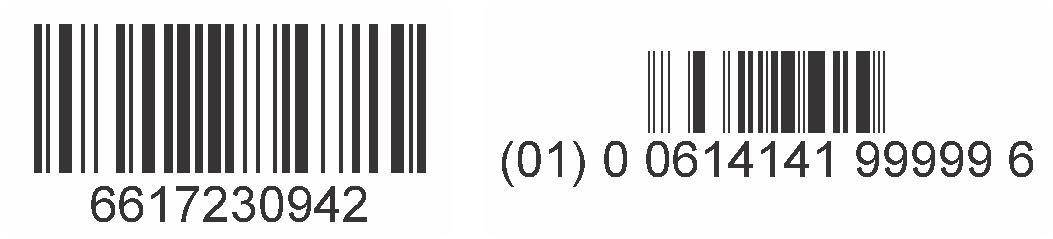
A 1D barcode, also known as a linear barcode, is an image that consists of vertical lines and spaces that vary in width. It encodes data from left to right in a horizontal line and can hold up to 85 characters. The most recognizable example of a 1D barcode is the Universal Product Code (UPC), commonly found on retail products. 1D barcodes are widely used in various industries for tracking and inventory management.
Uses for Linear Barcodes
Linear barcodes are used across many industries for a variety of purposes. Retail settings use traditional UPC barcodes to scan clothing, electronics, food, and more at the point of sale. Shipping labels use barcodes to track items in the supply chain or during transport. A linear barcode can be printed directly onto some corrugated surfaces, which makes them ideal for use during shipping with limited risk of damage to the code. While a single 1D barcode isn’t equipped to hold endless amounts of information, it can be used as a fixed point for accessing a fluid database. A one-dimensional barcode also has a built-in fail-safe with the human readable interpretation (HRI) printed beneath the barcode, which allows handlers to type the code in by hand if the barcode has been damaged.
Data Matrix
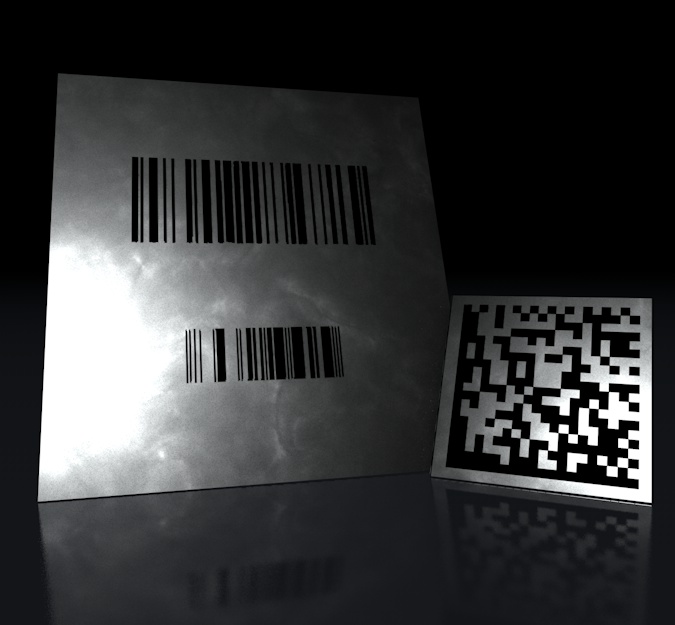
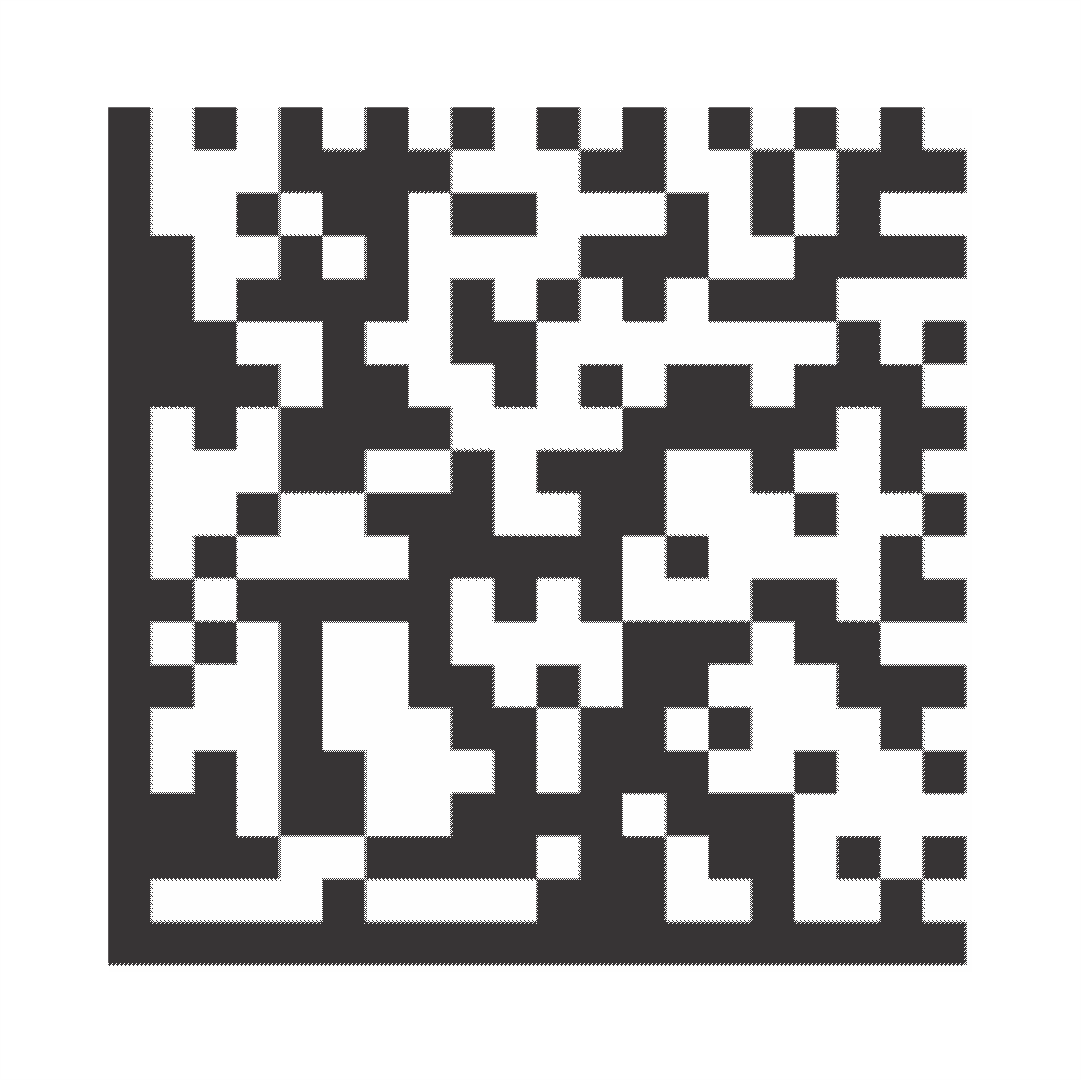
A Data Matrix is a two-dimensional code consisting of black and white "cells" or dots arranged in either a square or rectangular pattern, also known as a matrix. A Data Matrix symbol can store up to 2,335 alphanumeric characters.
Linear Barcodes
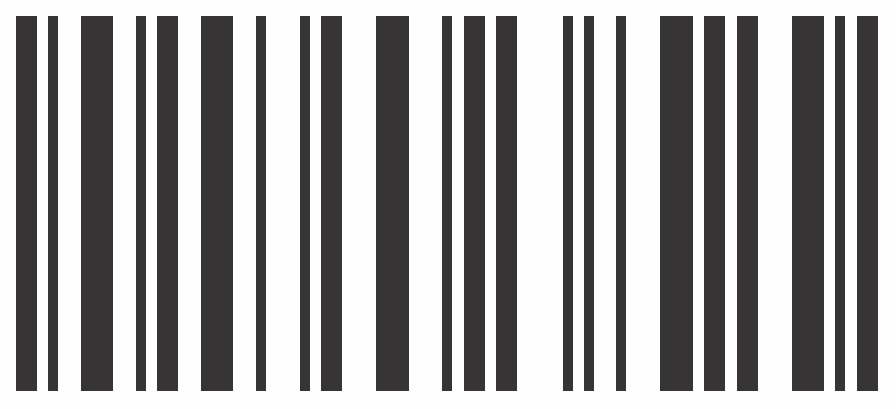
A 1D barcode, also known as a linear barcode, is an image composed of vertical lines and spaces that vary in width. It encodes data in a horizontal line, which can be scanned by a barcode reader. 1D barcodes can hold up to 85 characters
2D Barcodes
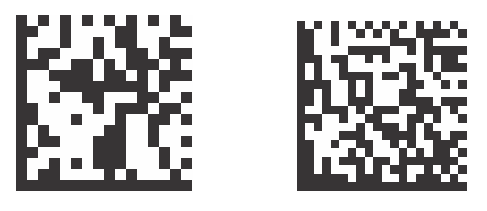
2D barcodes are advanced barcodes that store information in two dimensions, allowing them to hold significantly more data than traditional 1D barcodes. 2D barcodes, unlike one-dimensional (1D) barcodes, store data both horizontally and vertically. This allows them to encode a much larger amount of information in a compact format. They consist of geometric patterns, such as squares, dots, or rectangles, arranged in a grid.
Uses for 2D Barcodes
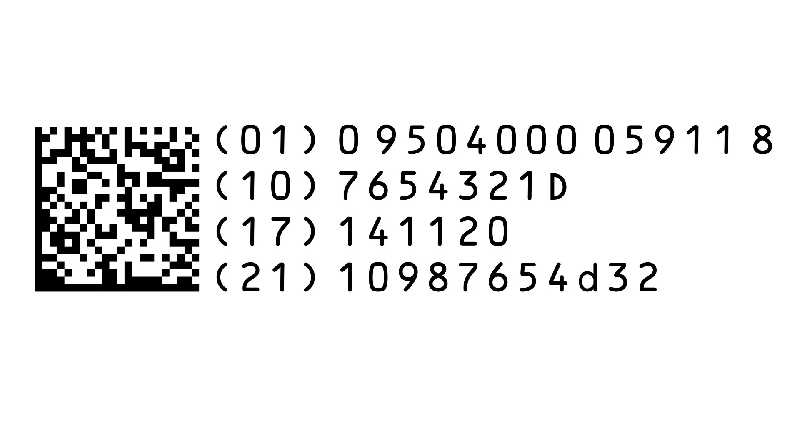
When comparing a 1D barcode versus a 2D barcode, the most significant difference between the two is the amount of data each can hold. Two-dimensional barcodes can hold far more data in a single scan than any linear barcode. This allows companies to track inventory much more easily and, in many instances, connect with consumers. A 2D barcode, like the GS1 DataMatrix or QR Code, is much more efficient when scanning items throughout the supply chain. A single code can hold information regarding the item, its serial number, as well as other information.
2D BARCODE VERIFICATION
What is 2D Barcode Verification?
2D barcode verification is the process of checking the quality and readability of 2D barcodes, which are more complex than 1D barcodes. They can hold a larger amount of information and are used in various industries such as manufacturing, distribution, and healthcare. The verification process involves using specialized equipment and software to ensure that the barcodes meet industry standards and are easily readable by scanners. This is crucial for maintaining production and quality control, as well as for ensuring compliance with regulatory requirements.
If Barcode Verification is required please contact us for more information.

HELPFUL LINKS __