Privacy Notice

By visiting our website you agree that we are using cookies to ensure you to get the best experience.

Policy

Identify

American Data Plates, Inc.'s processes adhere to or exceed

many specifications where identifying is critical.

thickness-color.jpg

Thicknesses, Dyeing and Polycolor

Image

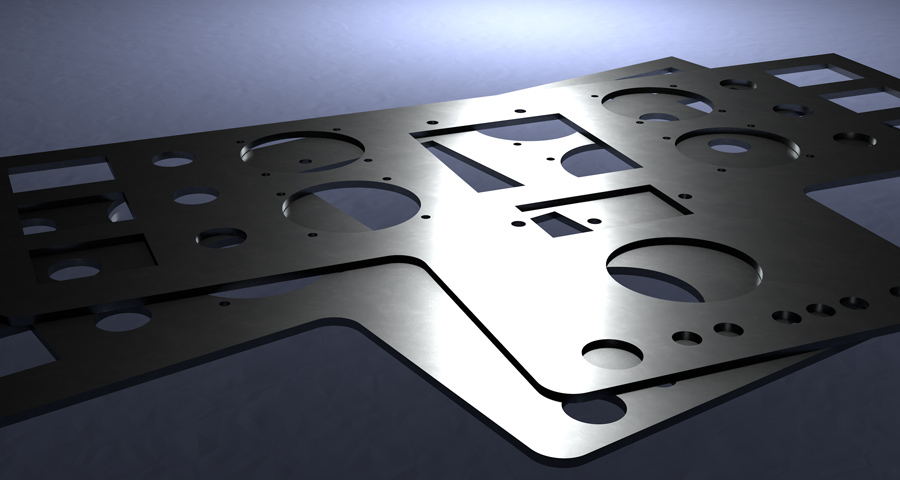
Radius, Milling and Pocket Cuts

Imageadhesive or hole

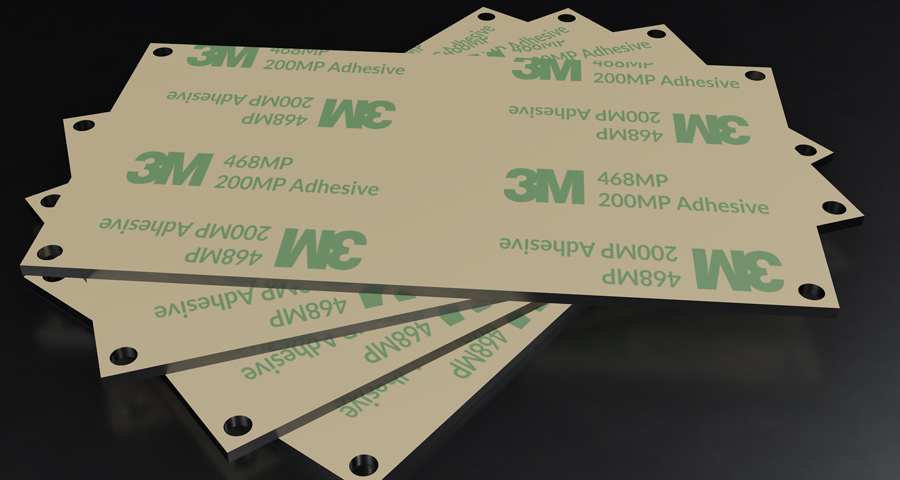
Hole punching, and Adhesive Mounting

Alt Text
The Confidence of Legibility

ADPI's archival, silver-halide based image is sealed inside of anodized aluminum, making it readable after prolonged exposure to a variety of harsh operating conditions including weather/sunlight, heat, abrasion, chemicals and salt-spray. The benefit is fewer label, nameplate, sign or control panel replacements due to illegibility – that means guaranteed regulatory compliance, asset identification and brand representation.

Alt Text
Variable Information Capability Means…

ADPI's ability to create hundreds, thousands, even millions of unique labels or nameplates is a function of its unique imaging process. The benefit of this process is that Metalphoto labels and nameplates can contain “item-unique” serialized data, one of a kind instructions and/or barcodes of any symbology. Durable barcodes connect assets to cloud-based computer systems, reduce data entry errors and speed the process of identifying assets properly.

Alt Text
Photographic Resolution Image Means…

ADPI's benefits of photographic resolution are three-fold: Your label, nameplate or panel will always look crisp and clear – conveying a sense of quality and reliability. High-resolution images make it possible to mark small items or surfaces such as firearms or others where a large label is not feasible. Optional security printing features such as micro-text and watermarks that verify the authenticity of your product and protect it against fraud and counterfeiting.

Alt Text
Proven Performance Means…

Our process has proven itself again and again to major OEMs and government organizations. As a result, our process is specified by most major government, industrial and military organizations including Boeing, Airbus, Caterpillar, Great Dane, Honeywell, BF Goodrich, NASA, and the United States Navy, Army, Air Force and Marines.


Defense
Defense
Defense
Defense
Identification plates (also called nameplates, data plates, rating plates, or UID/IUID tags) for defense/military applications must meet stringent Department of Defense (DoD) requirements for durability, legibility, permanence, and traceability — far beyond commercial or industrial standards. These plates identify equipment, provide critical data (e.g., nomenclature, part/serial numbers, manufacturer, warnings), and often include Unique Item Identifier (UID) in 2D Data Matrix barcode format for asset tracking. Key Governing Standards The primary specs for defense identification plates include: MIL-STD-130 (latest: MIL-STD-130N, MIL-DTL-15024 (latest: Revision G), MIL-DTL-19834 (or MIL-P-19834)

Automotive
Automotive
Automotive
Automotive
Identification plates (also known as nameplates, data plates, rating plates, VIN plates, or compliance labels) in the automotive industry are essential for regulatory compliance, safety, traceability, branding, and asset management. They appear on vehicles (e.g., VIN/data plates on doors, dashboards, or engines), components (e.g., engines, transmissions, electronics), and aftermarket parts. Automotive plates must withstand harsh conditions: road salt, UV exposure, chemicals (fuels/oils), temperature extremes, vibration, abrasion, and occasional impacts — especially relevant in hot, dry, dusty environments like Palmdale, CA (high desert testing/climate). Key Governing Standards and Requirements FMVSS (Federal Motor Vehicle Safety Standards, 49 CFR Part 571, via NHTSA), American Automobile Labeling Act (AALA, 49 U.S.C. § 32304), SAE Standards (e.g., SAE J941 for driver vision, but broader traceability via SAE for VIN formats and part marking), ISO/TS 16949 (now IATF 16949), UL/CSA for electrical components; OSHA/ANSI for warnings; FMVSS 302 flammability for interior labels; global regs like UNECE for exports, OEM-Specific: Many require UID/2D barcodes for traceability, corrosion resistance, and specific mounting.

Aerospace
Aerospace
Aerospace
Aerospace
Identification plates (also known as nameplates, data plates, rating plates, or compliance plates) for aerospace applications are highly regulated and must prioritize extreme durability, lightweight design, traceability, legibility, and permanence under harsh conditions like high-altitude temperatures, vibration, UV exposure, chemicals, abrasion, and potential moisture/salt (relevant in testing or flight environments, including desert-based facilities like those in Palmdale, CA). Aerospace plates serve critical roles: identifying aircraft/components, providing serial/part numbers, manufacturer info, warnings, maintenance data, and often including Unique Item Identifiers (UID/IUID) in 2D Data Matrix format for lifecycle tracking. Key Governing Standards and Requirements MIL-STD-130, MIL-DTL-15024 (latest: Revision G), FAA Regulations (e.g., 14 CFR Part 45), AS9100 (latest: Rev D), Other relevant: GG-P-455, MIL-DTL-19834, A-A-50271 (general nameplates)

Medical
Medical
Medical
Medical
Identification plates (also known as nameplates, data plates, rating plates, equipment ID tags, or control panel labels) for the medical industry — including diagnostic equipment (e.g., MRI/CT scanners, ultrasound machines), surgical tools, hospital beds, infusion pumps, sterilization units, lab analyzers, and other healthcare devices — are essential for regulatory compliance, patient safety, traceability, asset management, and maintenance. These plates provide critical information such as manufacturer name/address, model/serial number, voltage/current ratings (for electrical equipment), warnings/hazards, UDI (Unique Device Identifier) in barcode/2D format, and usage instructions. In medical settings, they must remain legible, durable, and tamper-resistant through frequent cleaning (disinfectants, autoclaving), sterilization cycles, abrasion, chemicals, and moderate environmental stress — though less extreme than heavy industrial or outdoor applications. Key Governing Standards and Requirements 21 CFR Part 801 (General Device Labeling Requirements), Unique Device Identification (UDI): Mandatory under 21 CFR Part 830, NFPA 79 (Electrical Standard for Industrial Machinery).

Energy
Energy
Energy
Energy
Identification plates (also called nameplates, data plates, rating plates, or equipment tags) for the energy industry are essential for safety, compliance, traceability, asset management, and operational efficiency. The energy sector spans oil & gas (upstream/downstream, rigs, pipelines, refineries), power generation (fossil fuel plants, nuclear), and renewables (solar panels, wind turbines, hydro, etc.). Requirements are driven by regulations, industry codes, and harsh environments (e.g., extreme temperatures, UV, corrosion, vibration, dust in places like Palmdale's high-desert climate, or offshore/salt exposure). Key Governing Standards and Requirements OSHA (e.g., 29 CFR 1910 series), ASME Boiler and Pressure Vessel Code (Section VIII), API Standards (e.g., API 510 for vessels, API 653 for tanks), NFPA 79 (industrial machinery), IEC Standards (e.g., IEC 61215/61730 for PV modules), Other: ANSI/ASME A13.1 for pipe/valve marking (colors/sizes for hazards).

Marine
Marine
Marine
Marine
Identification plates (also known as nameplates, data plates, rating plates, equipment tags, or Hull Identification Number (HIN)/Craft Identification Number (CIN) plates) in the marine industry — covering commercial ships, yachts, workboats, offshore platforms, fishing vessels, naval/military vessels, and recreational boats — are critical for regulatory compliance, safety, traceability, asset management, and operational identification. They display key info like manufacturer details, model/serial/HIN, capacity/load limits, warnings, electrical ratings (if applicable), and often barcodes/UID for tracking. Marine environments demand extreme corrosion resistance (saltwater, humidity, UV, chemicals, temperature swings), abrasion resistance, and permanence — especially in Palmdale's nearby desert/coastal testing or high-UV/dry conditions that can accelerate fading or degradation. Key Governing Standards and Requirements Hull Identification Number (HIN) (U.S. 33 CFR Part 181/183; ISO 10087 for Europe/CIN), USCG (U.S. Coast Guard, 46 CFR various subchapters), Classification Societies (e.g., ABS — American Bureau of Shipping, DNV, Lloyd's Register), IMO/SOLAS (International Maritime Organization/Safety of Life at Sea), MIL-DTL-15024/MIL-STD-130.

Heavy Equipment
Heavy Equipment
Heavy Equipment
Heavy Equipment
Identification plates (also known as nameplates, data plates, serial plates, or equipment ID tags) for heavy equipment — such as excavators, loaders, bulldozers, backhoes, cranes, dump trucks, and other construction/mining machinery — are critical for safety, regulatory compliance, asset tracking, maintenance, and liability protection. These plates provide essential info like manufacturer name, model/serial number, operating specs (e.g., weight, capacity limits), warnings, and compliance markings. In harsh outdoor/construction environments (vibration, dust, UV, impacts, weather extremes — very relevant in Palmdale's hot, dry, dusty high-desert conditions), they must remain legible and attached for the equipment's service life (often 10–20+ years). Key Governing Standards and Requirements OSHA (e.g., 29 CFR 1910.178, ANSI/ASME (e.g., ANSI/ITSDF B56.1 for trucks; SAE standards like J237/J236 for brakes/stability in earthmoving equipment), NFPA 79 (for industrial machinery/controls), API/ASME for pressure-related components, A-A-50271 for commercial nameplates.

Transportation
Transportation
Transportation
Transportation
Identification plates (also known as nameplates, data plates, rating plates, equipment ID tags, VIN plates, or compliance labels) in the transportation industry — encompassing trucking, buses, rail, commercial vehicles, trailers, aviation components, and related logistics/fleet operations — are vital for regulatory compliance, safety, asset tracking, maintenance, and liability management. They display essential details like manufacturer info, model/serial/VIN numbers, USDOT numbers, capacity/load limits, warnings, electrical ratings (for powered equipment), and barcodes/UID for fleet management. Transportation environments expose plates to road salt, UV, vibration, impacts, dirt, chemicals (fuels/oils), and weather extremes — highly relevant in Palmdale's hot, dry, dusty high-desert conditions, which accelerate fading, abrasion, or corrosion. Key Governing Standards and Requirements: FMCSA (Federal Motor Carrier Safety Administration), NHTSA (National Highway Traffic Safety Administration): Governs VINs (49 CFR Part 565), A-A-50271, NFPA 79, OSHA/ANSI, Rail/aviation overlap: FRA (Federal Railroad Administration) for rail car placards/markings; FAA for aircraft components (often MIL-STD-130 crossover).