
Placards and labels made from polyester (often PET or Mylar®) or polycarbonate (PC, e.g., Lexan®) are popular flexible, durable options for identification, safety, warning, instructional, or graphic overlay applications across industries like automotive (dash/instrument panels), heavy equipment, transportation, marine, energy, aerospace, and medical.
Both are synthetic films used as substrates for printing/etching/graphics, with pressure-sensitive adhesives (e.g., 3M acrylic) for mounting. They offer advantages over paper/vinyl (better longevity) but differ significantly in performance — polyester generally wins for rugged, long-term outdoor/harsh use, while polycarbonate excels in clarity, impact, and certain aesthetics.
- Harsh outdoor / industrial / chemical exposure (e.g., heavy equipment, transportation trailers, marine hull/machinery tags, energy rigs, oil/gas placards) — better long-term resilience in Palmdale's hot/dry/UV/dusty conditions.
- Cost-effective longevity — often the "go-to" for durable asset marking with overlaminates for extra UV/abrasion protection.
- Flexible / curved surfaces — conforms well without cracking.
In summary, for most general placards/labels in rugged industries (heavy equipment, transportation, marine, energy), polyester is the stronger, more reliable choice overall — especially in desert-like Palmdale conditions. For backlit instrument/dash panels or applications needing top clarity/impact/embossing, polycarbonate shines (and is often specified in automotive).
If you're targeting a specific use (e.g., backlit automotive dash labels, outdoor heavy equipment placards, chemical-resistant marine tags, or volume/cost constraints), or need details on suppliers/thicknesses/printing methods (screen/digital/laser etch), let us know, we can narrow it down further.
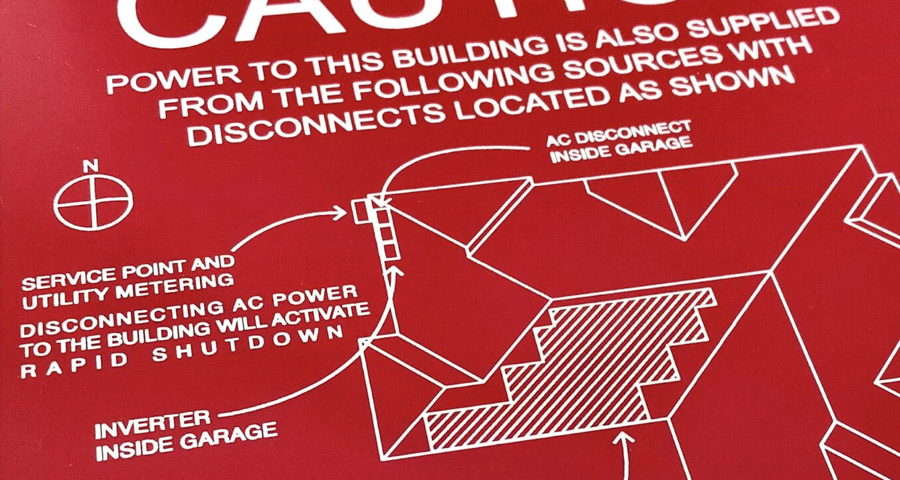

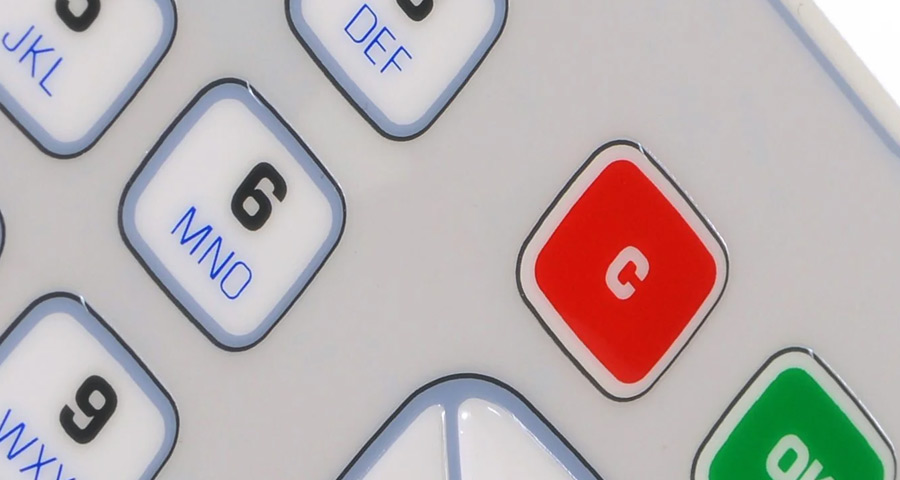
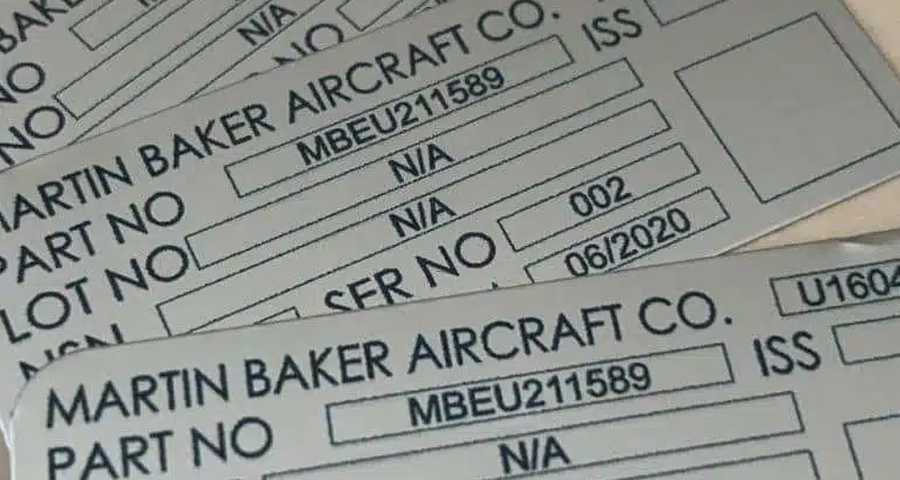
Laser-engraved placards on dual-color (two-tone or two-ply) plastic are an excellent, widely used, and professional-grade option for identification plates, nameplates, warning/safety placards, labels, control panels, and signage — especially in industries like automotive (instrument/dash panels), heavy equipment, transportation, marine, energy, and general industrial applications.
This method uses multi-layer plastic sheets (typically 2-ply or dual-layer acrylic, ABS, or modified HDPE) where a thin top layer (cap color) overlays a contrasting core/base color. A CO2 laser engraves by vaporizing/removing the top layer in precise patterns (text, logos, symbols, barcodes), revealing the bright contrasting core underneath — creating a sharp, "painted-in" look without any actual paint, filling, or secondary coloring steps.
- Automotive dash/instrument panels: Backlit-compatible versions (translucent core) for icons/warnings; deadfront effects possible.
- Heavy equipment / transportation placards: Safety warnings, serial/ID tags — rugged against dirt/vibration.
- Marine / energy: Chemical-resistant grades for offshore/rig tags.
- General: Office doors, control panels, machinery labels — indoor/outdoor.
Overall, yes — laser-engraved dual-color plastic is a very good (often outstanding) choice for placards where you want sharp, maintenance-free, high-contrast markings without the weight/cost of metal or the fade risk of printing. It's a go-to for many pros in signage, equipment ID, and control panels.
If you're making these for automotive dash prototypes, heavy equipment warnings, or specific sizes/colors, share details like desired colors (e.g., black/white, red/white), thickness, quantity, mounting (adhesive vs. holes).
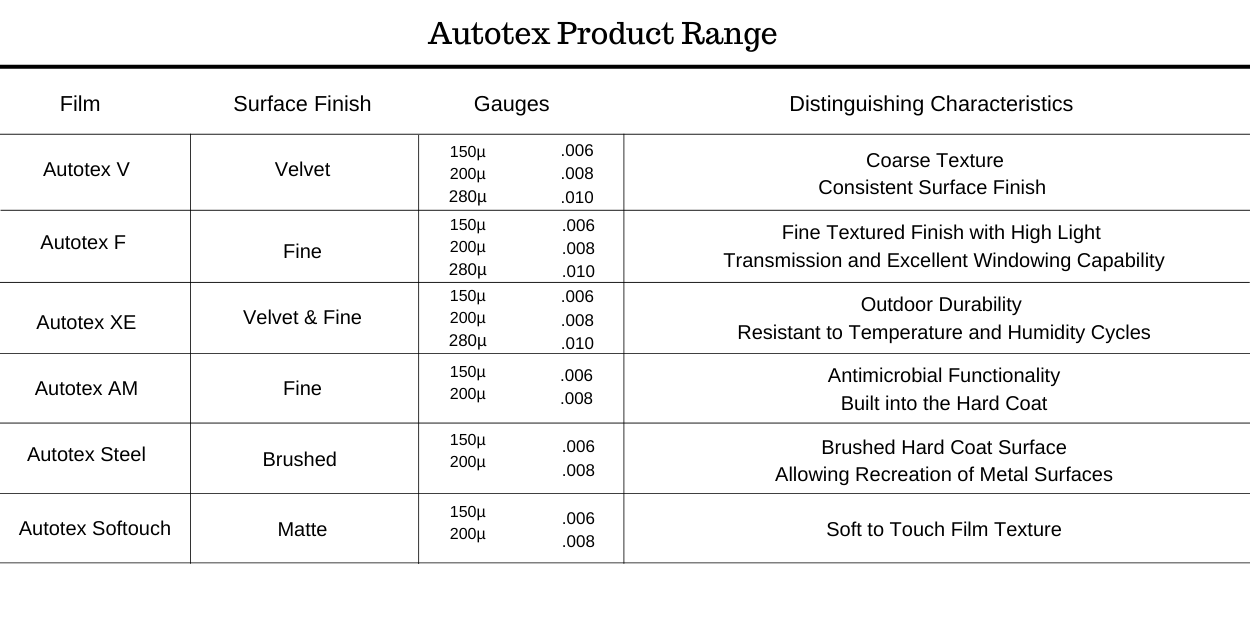
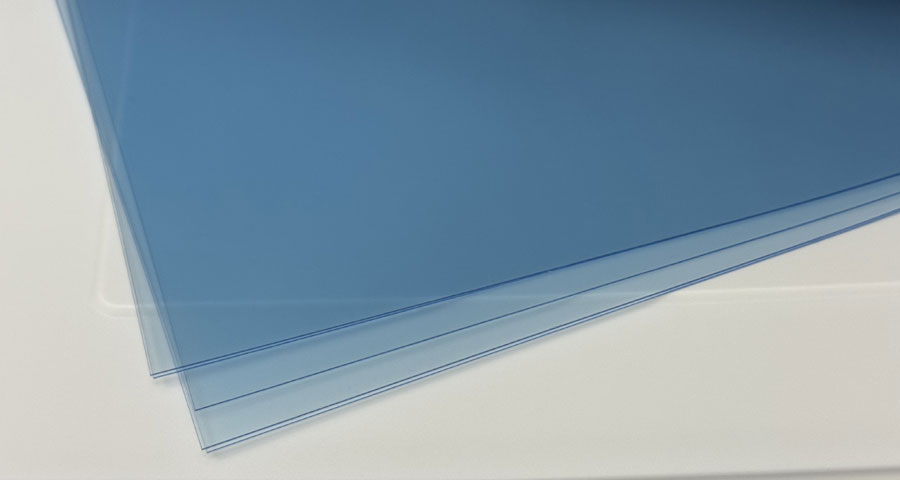
Autotex
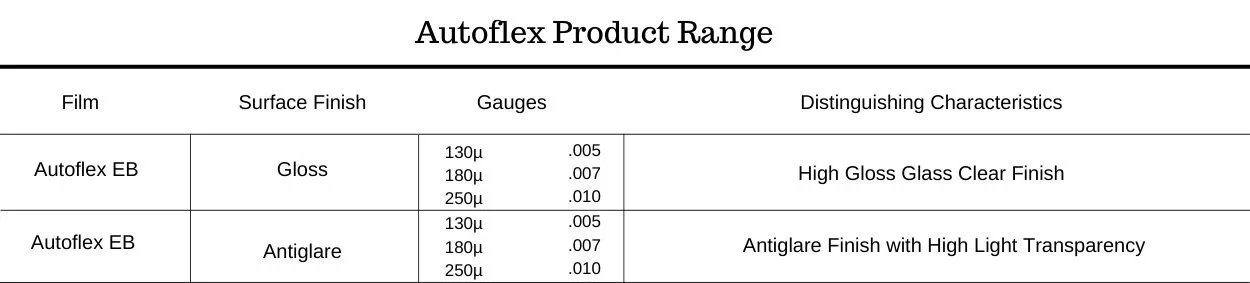
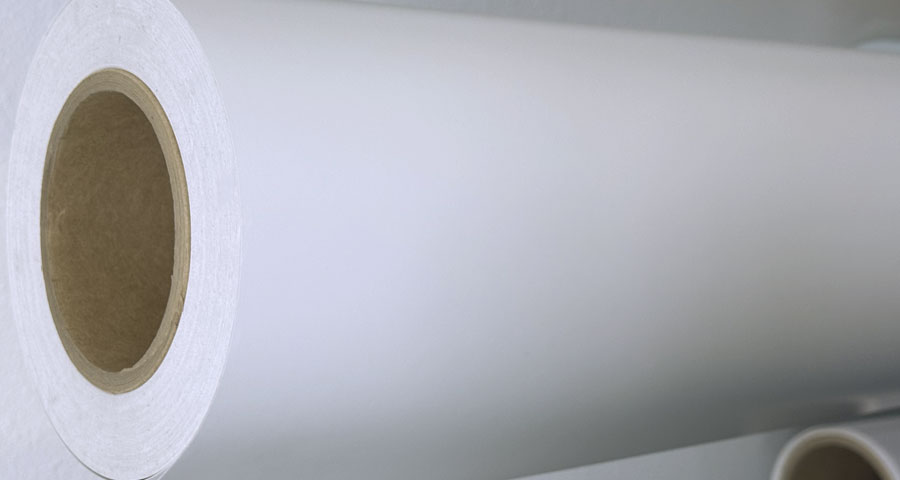
Autoflex
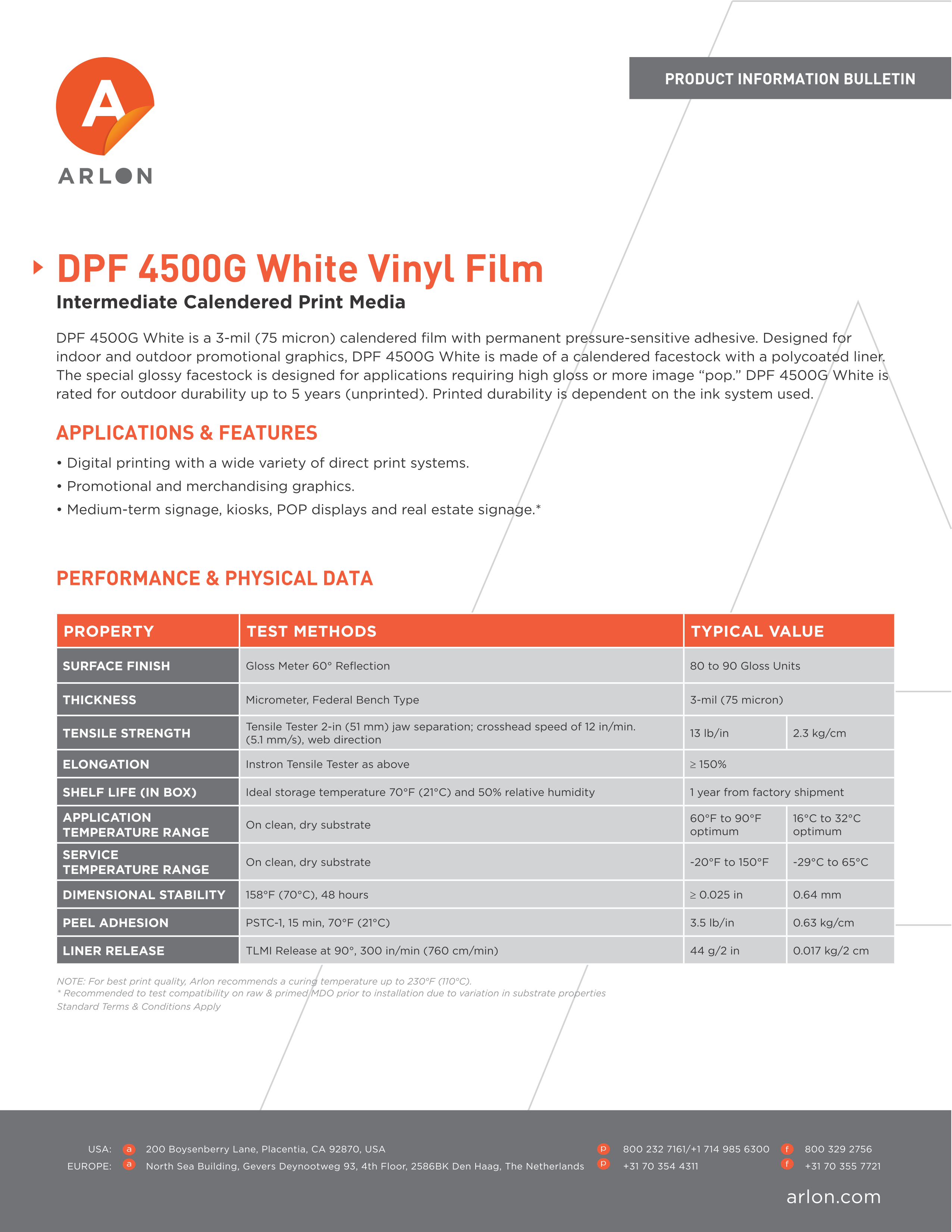
Vinyl
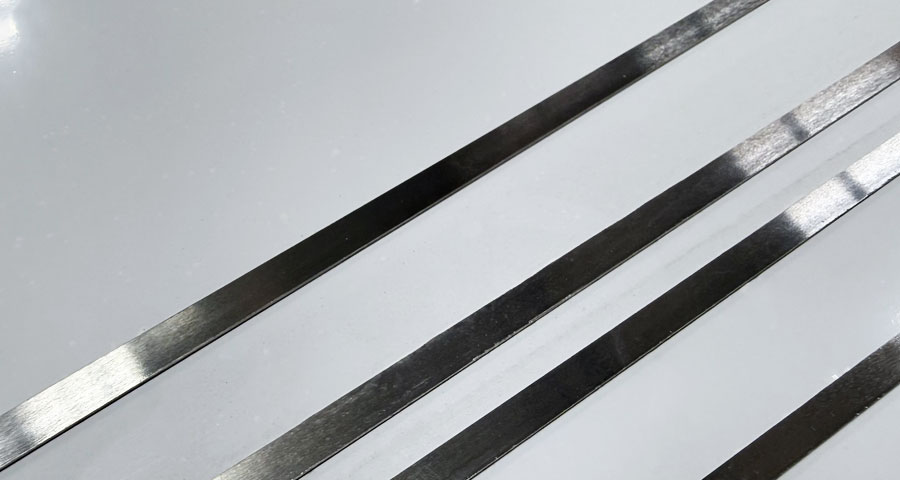
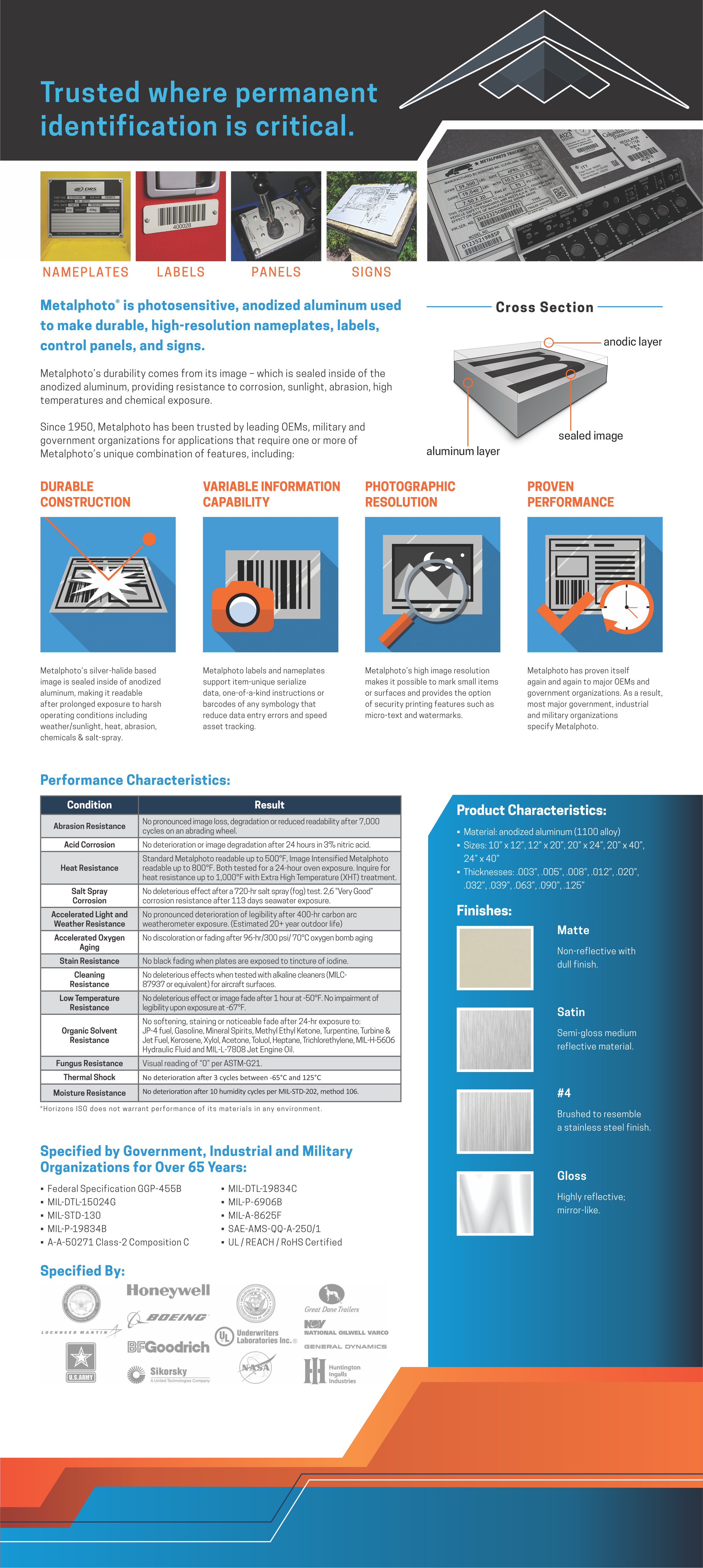
Aluminum

HELPFUL LINKS __